
Dialysis
Dialysis Access Angioplasty and Thrombectomy Specialists in Northern Virginia
Restore & Maintain Dialysis Access in Northern Virginia
Dialysis access, such as a fistula or graft, is your lifeline for life-sustaining hemodialysis. Over time, these access points can narrow or clot, which can disrupt blood flow and make treatments less effective. At Virginia Nephrology Group, our board-certified specialists provide expert care to restore and maintain the function of your dialysis access. We offer timely and compassionate care through procedures like angioplasty and thrombectomy to ensure you can continue your treatment without interruption.
Understanding Angioplasty and Thrombectomy
A thrombectomy is a procedure to remove a blood clot from a dialysis fistula or graft. This clot is what prevents blood from flowing properly. Often this is followed by a dialysis access angioplasty, where a tiny balloon is used to widen narrowed blood vessels and restore healthy blood flow. We use advanced diagnostics to pinpoint the precise location of the issue, ensuring our treatment is targeted and effective.

Expert Care for Your Dialysis Access
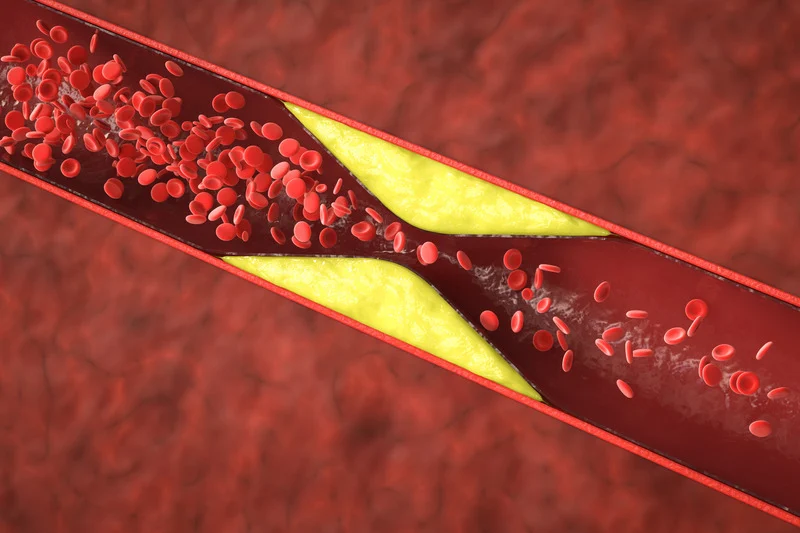
Clotting (thrombosis) and narrowing (stenosis) are the most common complications affecting dialysis access. Our team uses advanced imaging and diagnostics to detect these issues and deliver targeted treatment. A fistula thrombectomy removes blood clots and restores proper circulation. In many cases, this is followed by a dialysis access angioplasty where a small balloon is used to widen narrowed blood vessels and improve long-term access function.
When to See a Doctor for Dialysis Access Issues
Seek immediate care if you experience a slow flow rate during dialysis, swelling in your arm or hand, or a lack of vibration (thrill) in your fistula. Our nephrology specialists at Virginia Nephrology Group provide urgent evaluation and treatment for dialysis access issues, helping patients maintain their health and continue their life-sustaining therapy safely.
Frequently Asked Questions About Dialysis and Dialysis Access Care
What is dialysis and why do I need it?
Dialysis is a life-sustaining treatment that takes over the job of your kidneys when they can no longer filter waste and excess fluid from your blood. It helps maintain balance in your body and supports overall health.
What is dialysis access?
Dialysis access is the site on your body where blood is removed and returned during treatment. This is typically a fistula or graft created in your arm. A well-functioning access is essential for effective dialysis.
Why is maintaining dialysis access so important?
Your dialysis access is your lifeline. If it becomes narrowed or blocked, it can reduce the effectiveness of your treatment or even prevent dialysis altogether. Regular monitoring helps ensure it continues working properly.
What problems can occur with dialysis access?
Common issues include narrowing (stenosis) and clotting (thrombosis). These can slow blood flow, cause swelling, or make dialysis sessions less effective.
What is a peritoneal catheter?
A peritoneal catheter is a soft, flexible tube placed in the abdomen for patients undergoing peritoneal dialysis. It allows a special cleansing fluid (dialysate) to flow into the abdominal cavity, where it absorbs waste and excess fluid before being drained out. This type of dialysis can often be performed at home, offering greater flexibility and independence.
How are dialysis access issues treated?
Procedures like angioplasty help open narrowed vessels, while thrombectomy removes clots. These treatments restore proper blood flow and allow dialysis to continue without interruption.
What symptoms should I watch for during dialysis?
You may notice decreased flow during treatment, swelling in your arm, pain, or a missing vibration (thrill) at the access site. These are signs you should contact your care team right away.
How can I protect my dialysis access?
Avoid tight clothing or pressure on the access arm, check it daily for changes, and follow your provider’s instructions. Proper care helps ensure your dialysis treatments remain safe and effective.