
Kidney Stones
Kidney Stone Specialist in Virginia (Nephrolithiasis Doctors)
Diagnosis & Treatment of Kidney Stones in Northern Virginia
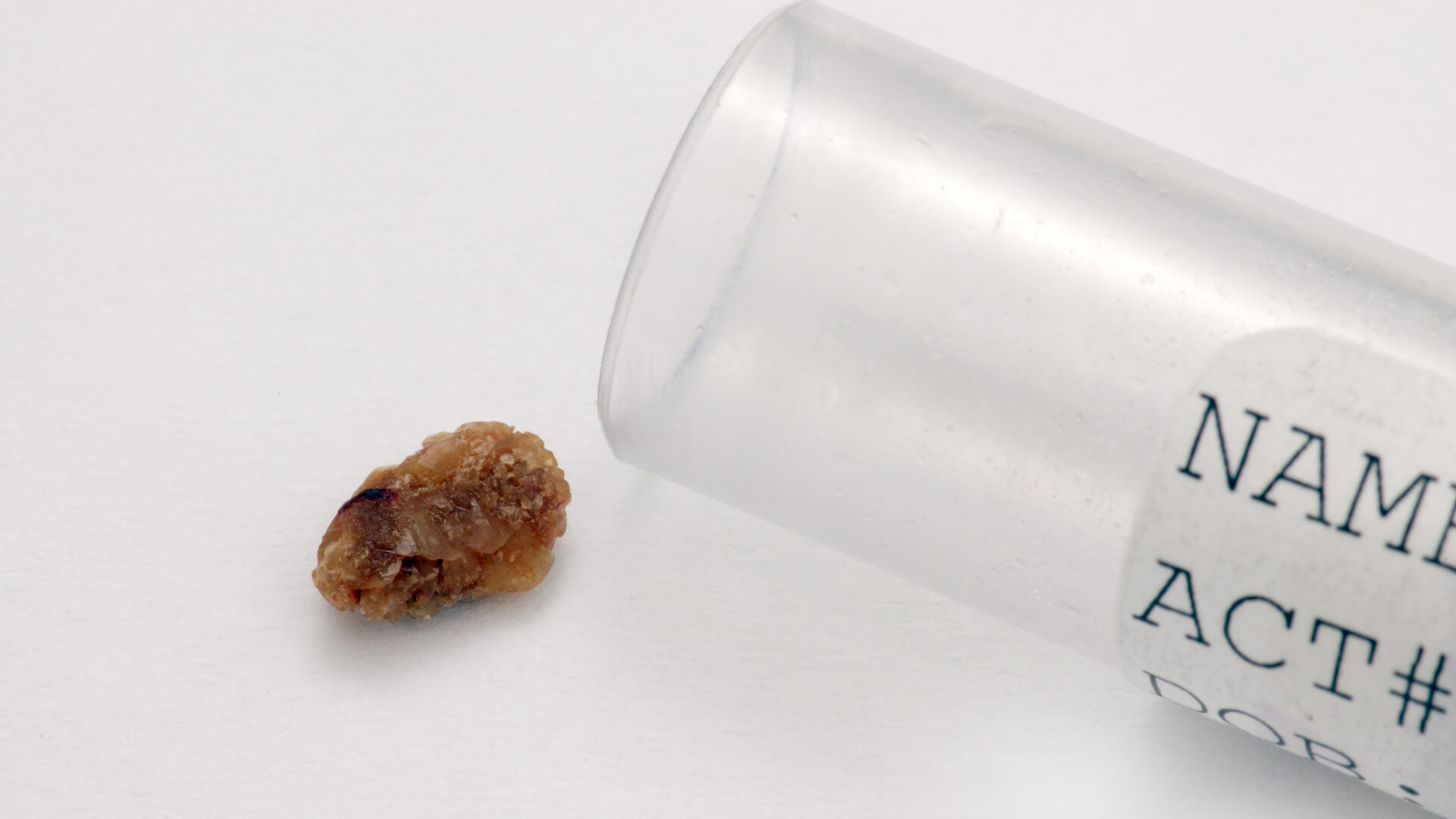
Kidney stones, or nephrolithiasis, are hard, crystalline mineral deposits that form inside the kidneys. The expert staff at Virginia Nephrology Group is ready to guide you through the diagnosis and treatment of kidney stones. Our team of board-certified specialists offers a compassionate and streamlined approach to your care.
Recognizing Kidney Stone Symptoms
Patients commonly experience sharp, severe pain in the side and back, just below the rib cage, sometimes radiating to the lower abdomen and groin. Other symptoms of kidney stones include an increased urge to urinate, cloudy or foul-smelling urine, and burning or painful urination.
Preventing Future Kidney Stones
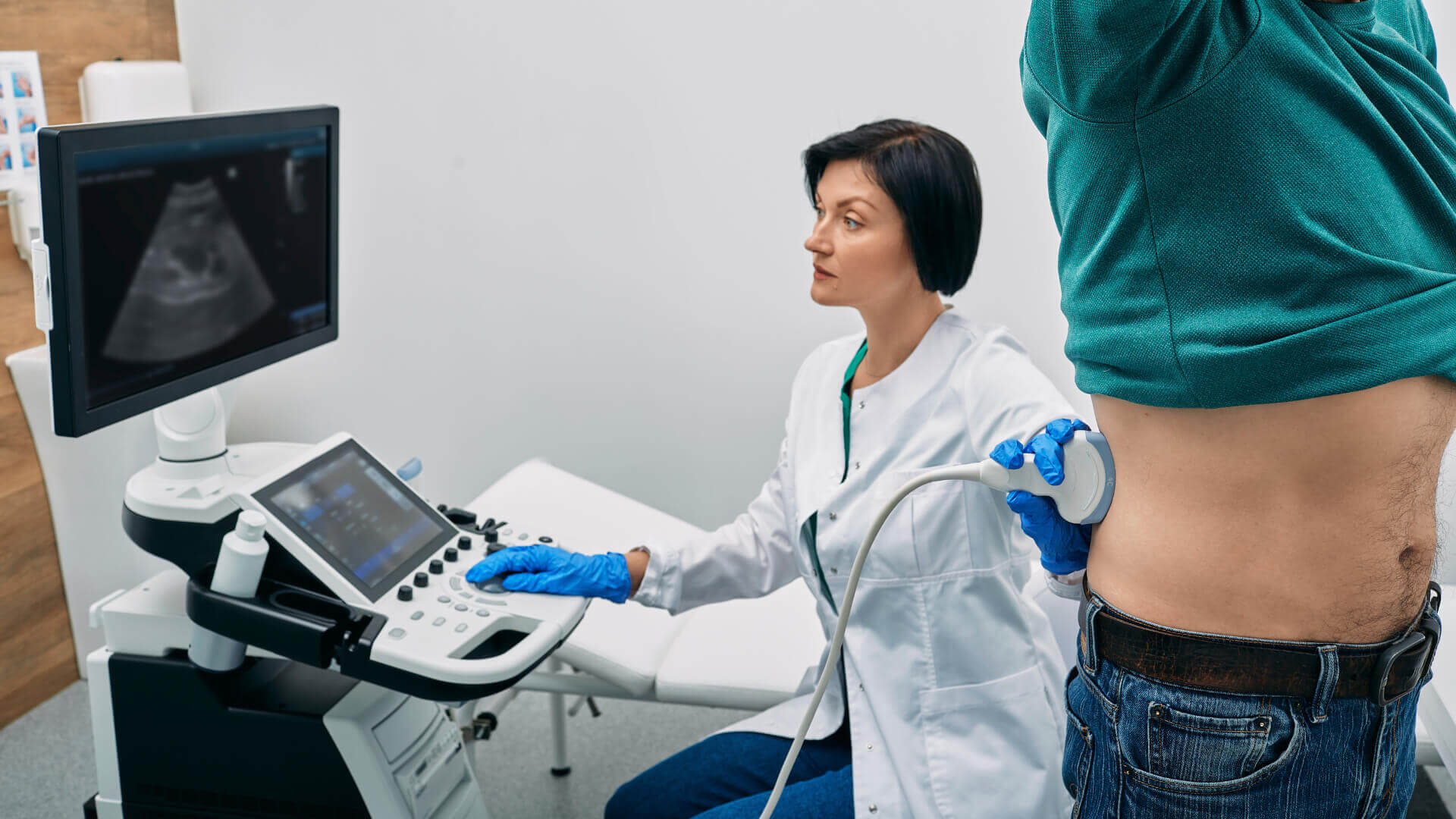
Kidney stone disease is often a recurring problem. Patients who have a history of developing kidney stones twice, or even a single kidney stone that required intervention for removal typically need a thorough metabolic evaluation to determine the specific cause of their kidney disease. Based on the results, your nephrologist may recommend dietary changes or medication therapy to decrease the frequency of kidney stone development. While no treatment can completely prevent stones from forming, these interventions can be very effective in lowering the risk.
Effective, Personal Kidney Stone Treatment
For smaller stones, your physician may recommend increased fluid intake to help them pass naturally. Pain medication can be prescribed to manage discomfort. For larger or obstructing stones, medical procedures such as shockwave lithotripsy or other surgical interventions may be necessary to break up or remove the larger deposits. Consult with the expert staff at Virginia Nephrology Group to discuss the best treatment options for you.
Frequently Asked Questions About Kidney Stones
What causes kidney stones to form?
Kidney stones develop when minerals such as calcium, oxalate, or uric acid become concentrated in the urine and form crystals. This can happen due to dehydration, certain diets, underlying medical conditions, or a family history of kidney stones.
How do I know if I have a kidney stone?
The most common symptom is sudden, severe pain in the side or back that may radiate to the lower abdomen or groin. Other signs include nausea, frequent urination, blood in the urine, or a burning sensation when urinating.
Can kidney stones go away on their own?
Yes, smaller stones often pass naturally through the urinary tract with increased fluid intake. However, larger stones may require medical treatment if they cause significant pain or block urine flow.
What treatments are available for kidney stones?
Treatment depends on the size and location of the stone. Options range from hydration and pain management to advanced procedures like shockwave lithotripsy or minimally invasive surgery to break up or remove stones.
How can I prevent kidney stones from coming back?
Prevention typically includes staying well-hydrated, making dietary changes, and sometimes taking medications. A metabolic evaluation can help identify the specific cause and guide a personalized prevention plan.
When should I see a specialist?
You should seek medical care if you have severe pain, signs of infection (fever or chills), difficulty urinating, or recurring kidney stones. Early evaluation by a nephrologist can help prevent complications and reduce recurrence risk.